
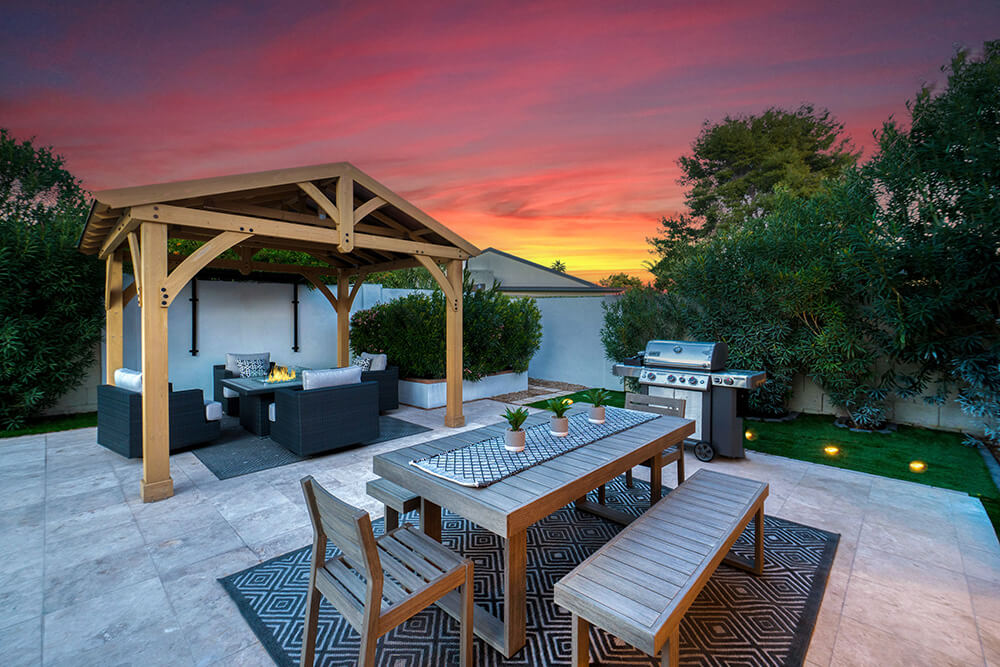
The process of designing a backyard or terrace often begins with a single, simple goal: to create a space where the Florida weather can be enjoyed comfortably. For residents in this region, the outdoor environment is essentially an extension of the living room, a place to host guests or simply retreat after a long day. Yet, the transition from an empty patio to a functional outdoor sanctuary involves more than just selecting pieces that look attractive in a catalog. The local climate, characterized by intense sunlight and the potential for high humidity, demands a thoughtful approach to material selection and layout planning.
The Challenges of Selecting Durable Patio Furniture in Naples
The primary challenge for homeowners in the area is balancing aesthetic preferences with the harsh realities of the environment. While many materials might look beautiful on a showroom floor, they may not possess the resilience required to withstand the elements over time. Intense sun exposure can cause fading in certain fabrics and degradation in plastics, while salt air in coastal areas can accelerate the oxidation process for certain metals.
It is common for those new to the area to prioritize price or immediate style without considering the long-term maintenance requirements of different materials. Choosing pieces that lack appropriate UV resistance or structural durability often leads to a cycle of frequent replacements. This is why many experienced designers and local homeowners focus on understanding the inherent properties of materials before making a commitment. The goal is to find pieces that retain their structural integrity and appearance through seasons of heavy use, rather than items that look excellent for a brief period before showing signs of distress.
How the Selection Process Generally Works
Selecting high-quality patio furniture stores in Naples, FL typically involves assessing how the space will be utilized daily. A starting point is to categorize the furniture based on function: dining, lounging, or social gathering. Each of these activities carries different requirements for comfort and layout.
Once the primary functions are identified, the next step involves evaluating the material composition of the furniture. For instance, high-density resins, powder-coated aluminum, and various types of synthetic wicker have become common choices because they are generally engineered to handle moisture and sunlight better than traditional wood or untreated iron.
Many residents also consider the modularity of a set. A space that is intended for both small family meals and larger social gatherings benefits from pieces that can be easily rearranged. After narrowing down the materials and the configuration, the final stage is to coordinate colors and textiles. Fabrics designed specifically for outdoor use are often treated to resist moisture, which helps them maintain their color and texture despite being exposed to the elements.
Key Factors That Shape Long-Term Satisfaction
Several variables influence how well an outdoor setup will perform. The first is the quality of the finish. For metal pieces, a high-quality powder coating acts as a protective barrier against moisture and environmental salt, preventing rust and preserving the frame’s appearance. When examining furniture, look for uniform coverage and consistent texture, as these are often indicators of a robust manufacturing process.
The second factor is fabric selection. Outdoor cushions should be constructed from materials engineered to resist microbial growth and fading. It is useful to ask about the cleaning requirements for any fabric being considered, as the ease of maintaining cushions significantly impacts their lifespan.
Thirdly, the importance of proper storage and care cannot be overstated. Even the most durable materials benefit from protection during extreme weather events or periods of disuse. Using covers that allow for airflow while blocking direct sunlight can extend the lifespan of almost any outdoor piece. Thinking about how the furniture will be stored before the purchase is made is a proactive way to ensure your investment lasts longer.
Practical Ways to Approach Your Patio Design
When visiting showrooms or browsing options for Naples patio furniture, adopt a strategy that emphasizes quality over temporary trends. Start by measuring your available outdoor space carefully, as pieces that are too large can make an area feel crowded, while undersized pieces may look disproportionate.
Consider asking potential providers about the following:
- How specific materials respond to the local climate over several years.
- What steps are recommended for routine cleaning to maintain warranties or appearance.
- Whether the provider offers options for customization regarding frames and textiles.
- How different pieces handle moisture and direct sunlight exposure.
Engaging with a knowledgeable representative can provide clarity on which lines are built for longevity. It is also helpful to observe the weight and build quality of the furniture. Sturdier pieces are generally less susceptible to being moved or damaged by high winds, which is a practical consideration in this region.
Finally, consider your personal comfort preferences. While a set might look sophisticated, it must provide the necessary support for the amount of time you intend to spend using it. Testing the ergonomic feel of chairs and the height of tables is a step that is easily overlooked but essential for ensuring the space is truly functional.
Taking the time to evaluate the construction, material resilience, and overall layout will likely lead to a more satisfying outcome. When you invest in pieces that are well-suited to the environment and to your specific lifestyle, your outdoor space becomes more than just a patio—it becomes a reliable and comfortable part of your home. Taking a deliberate approach to your selection process today typically results in an outdoor area that remains a favorite retreat for years to come.